
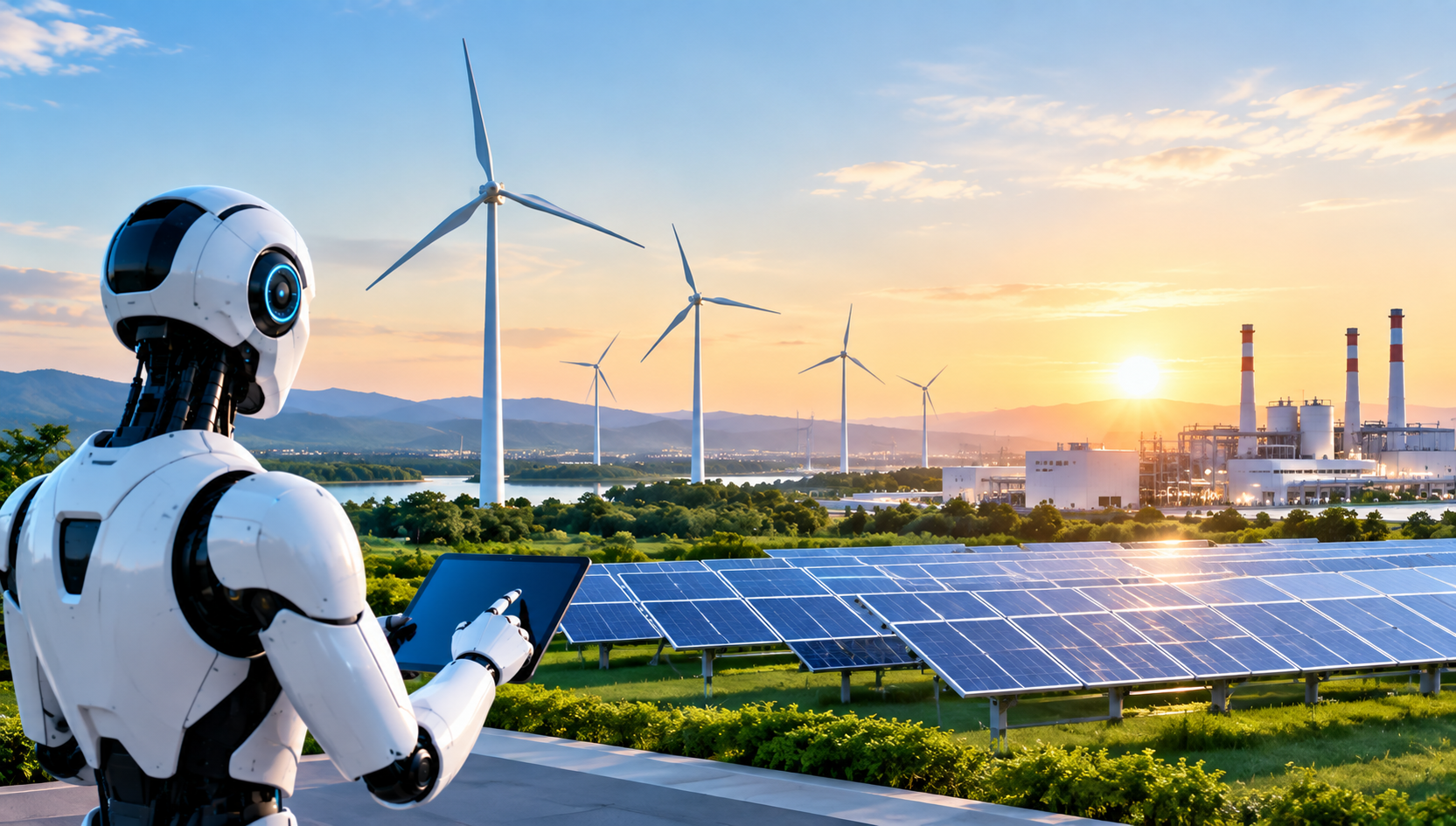
The energy industry is undergoing a major digital transformation as organizations look for smarter ways to improve efficiency, reduce operational costs, and maintain reliable energy systems. AI-powered energy management is emerging as an important technology for helping energy companies analyze complex data, predict demand, optimize assets, and make faster operational decisions.
From power generation and utilities to renewable energy and oil and gas, artificial intelligence can help organizations turn large volumes of operational data into actionable insights. By combining AI, machine learning, automation, cloud technologies, and advanced analytics, energy companies can build more responsive and efficient operations.
What Is AI-Powered Energy Management?
AI-powered energy management uses artificial intelligence and machine learning to monitor, analyze, and optimize energy-related operations. Traditional energy management systems often depend on historical information and predefined rules. AI-based systems can analyze real-time and historical data to identify patterns, detect anomalies, forecast demand, and recommend or automate actions.
These capabilities can support energy producers, utilities, renewable energy companies, and industrial organizations in improving resource utilization and operational reliability.
AI-powered systems can analyze information from smart meters, sensors, energy assets, weather conditions, production systems, grid infrastructure, and other connected devices. This creates a data-driven approach to energy management and operational planning.
How AI Improves Energy Efficiency
Energy efficiency is one of the major objectives for organizations operating energy-intensive systems. AI can help identify areas where energy is being consumed inefficiently and provide insights for optimization.
Machine learning models can analyze consumption patterns and identify unusual changes in energy usage. Organizations can then adjust operations, equipment settings, or energy schedules based on these insights.
AI can also help optimize energy consumption according to demand. For example, businesses can use intelligent forecasting to anticipate periods of high or low energy demand and adjust operations accordingly.
This data-driven approach can help reduce unnecessary consumption while supporting consistent operational performance.
Predictive Maintenance for Energy Assets
Energy infrastructure depends on equipment such as turbines, generators, transformers, pipelines, compressors, and other critical assets. Unexpected equipment failures can result in downtime, maintenance costs, and operational disruptions.
AI-powered predictive maintenance can analyze sensor and equipment data to identify patterns associated with potential failures. Instead of relying only on fixed maintenance schedules, organizations can use predictive insights to determine when equipment may require inspection or servicing.
Early detection can help maintenance teams prioritize critical assets, reduce unexpected downtime, and improve asset utilization.
For energy companies managing large and geographically distributed infrastructure, predictive analytics can provide valuable visibility into asset performance.
AI for Energy Demand Forecasting
Accurate demand forecasting is essential for efficient energy planning. Demand can change based on weather, consumer behavior, industrial activity, seasonal patterns, and other factors.
AI and machine learning models can process large datasets to identify relationships between these variables and energy demand. This can help energy organizations develop more accurate forecasts and make informed operational decisions.
Improved forecasting can support generation planning, resource allocation, grid management, and energy procurement.
For utilities and power providers, AI-driven demand forecasting can also contribute to better balancing between energy supply and consumption.
Optimizing Renewable Energy Operations
The growth of solar and wind energy introduces additional challenges because renewable generation can vary depending on weather and environmental conditions.
AI can help renewable energy operators analyze weather forecasts, historical generation data, equipment performance, and other variables to improve production forecasts.
For example, machine learning models can estimate expected solar or wind generation and help organizations plan energy storage, distribution, and grid integration more effectively.
AI-powered optimization can therefore support the integration of renewable resources into increasingly complex energy systems.
Smart Grid Management with AI
Modern energy grids generate large amounts of data through sensors, meters, substations, and connected infrastructure. AI can help analyze this information in real time to identify demand changes, potential equipment issues, and unusual grid behavior.
AI-powered grid management can support load forecasting, distribution optimization, outage detection, and infrastructure monitoring.
By combining real-time analytics with automation, energy organizations can respond more quickly to operational changes and improve the overall resilience of energy infrastructure.
AI and Energy Sustainability
Sustainability is becoming increasingly important across the energy sector. Organizations are looking for ways to reduce energy waste, improve resource utilization, and monitor environmental performance.
AI can support sustainability initiatives by identifying inefficient processes and providing data-driven recommendations for improving energy consumption.
AI-based analytics can also help organizations monitor energy usage and operational data that may contribute to environmental reporting and ESG initiatives.
Better visibility into energy performance can help organizations establish measurable improvement strategies while supporting long-term sustainability objectives.
Benefits of AI-Powered Energy Management
Implementing AI-powered energy management can provide several operational benefits, including:
- Improved energy efficiency
- Better demand forecasting
- Predictive equipment maintenance
- Reduced unplanned downtime
- Improved asset utilization
- Faster operational decision-making
- Better renewable energy forecasting
- Enhanced grid monitoring
- More effective resource planning
- Data-driven sustainability initiatives
The exact benefits depend on the organization’s infrastructure, data quality, technology environment, and implementation strategy.
The Future of AI in Energy Management
The future of energy management will increasingly depend on intelligent technologies that can process real-time information and support faster decision-making. AI, machine learning, cloud platforms, IoT, automation, and advanced analytics are expected to play an important role in this transformation.
Energy organizations can use these technologies to move from reactive operations toward more predictive and data-driven models. As energy systems become more decentralized and connected, intelligent energy management can help organizations manage complexity while improving operational visibility.
For businesses looking to modernize their energy operations, adopting AI strategically can create opportunities to improve efficiency, reliability, and long-term operational performance.
Conclusion
AI-powered energy management is changing how organizations monitor energy consumption, manage assets, forecast demand, optimize renewable resources, and improve operational reliability. By combining artificial intelligence with real-time data, predictive analytics, automation, and cloud technologies, energy companies can make more informed decisions and build smarter energy operations.
As the energy sector continues its digital transformation, organizations that effectively integrate AI into their energy management strategies can establish more efficient, responsive, and data-driven operating environments.